Counterpoint

What Is a Figura Corta?

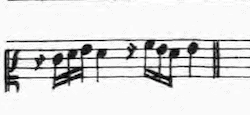
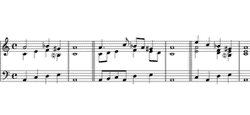
In the second volume of his monumental Phrynis (Mytilenæus) Oder Satyrischer Componist (1677), Wolfgang Caspar Printz (1641–1717) gives the following definition: “Figura Corta consists of three fast notes / of which one is as long as the other two combined.” “Figura Corta besteht aus dreyen geschwinden Noten / deren doch ein so lang ist /

What Is a Figura Corta? Read More »

Clausulæ

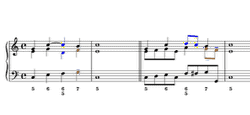
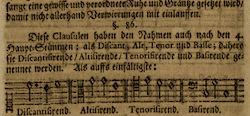
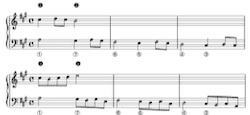
Clausula cantizans = ⑦–① cadence Clausula altizans = ⑤/④–③ cadence Clausula tenorizans = ②–① cadence Clausula basizans (or bassizans) = ⑤–① cadence Treatises up to and including the first half of the 18th century mostly considered cadences from a melodic and polyphonic point of view. Instead of seeing a cadence in terms of a chord

Clausulæ Read More »

What Does Sine Pausa Mean?

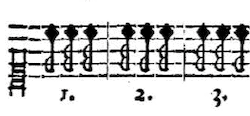
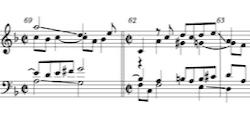
Sine pausa (without pause) refers to the fact that several voices, which are involved in canonic or stretto constructions, produce a simultaneous start of the same motif, theme or fugal subject, whether or not at different pitch levels, in inversion or including different rhythmic proportions. See also stretto. Select Bibliography Demeyere, Ewald. Johann Sebastian Bach’s

What Does Sine Pausa Mean? Read More »